
У ландшафті веб-розробки, що стрімко розвивається, попит на миттєву доставку даних перетворився з «бажаної опції» на фундаментальну вимогу. Будь то спільний AI-воркспейс, платформа для високочастотного трейдингу чи багатокористувацьке ігрове середовище — традиційний цикл запит-відповідь протоколу HTTP більше не є достатнім.
На межі 2025 та 2026 років екосистема реального часу значно подорослішала. Зі стабілізацією Node.js 22 LTS, появою WebTransport та рішучим переходом до бінарно-орієнтованої комунікації, створення додатків реального часу вимагає глибшого розуміння як базового протоколу, так і сучасних архітектурних патернів, що використовуються для їх масштабування.
Розуміння WebSockets: Протокол та зміни 2026 року
WebSockets (RFC 6455) забезпечують повнодуплексний двосторонній канал зв'язку через єдине довготривале TCP-з'єднання. На відміну від HTTP, де клієнт повинен ініціювати кожну взаємодію, WebSockets дозволяють серверу надсилати дані клієнту в той самий момент, коли відбувається подія.
Механізм рукостискання (Handshake) та апгрейду
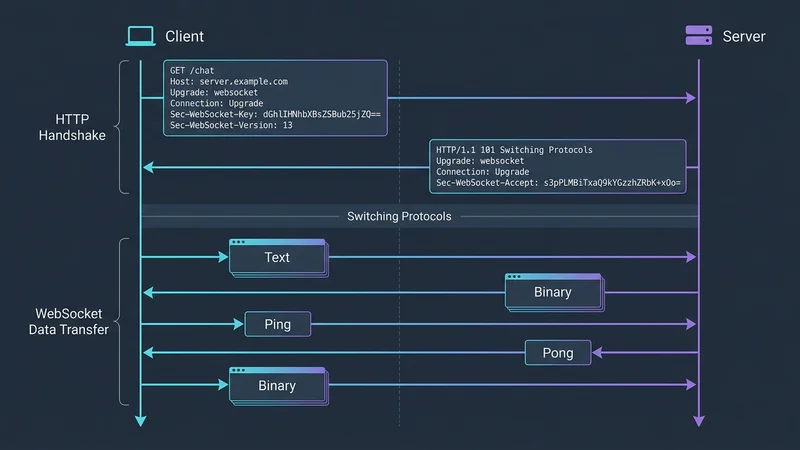
Кожне WebSocket-з'єднання починається як стандартний запит HTTP/1.1. Це критично важливо для сумісності з існуючою веб-інфраструктурою. Клієнт надсилає запит "Handshake", що містить специфічні заголовки:
GET /chat HTTP/1.1
Host: server.example.com
Upgrade: websocket
Connection: Upgrade
Sec-WebSocket-Key: dGhlIHNhbXBsZSBub25jZQ==
Sec-WebSocket-Version: 13
Якщо сервер підтримує протокол, він відповідає статусом HTTP 101 Switching Protocols. У цей момент HTTP-з'єднання «оновлюється» (upgrade) до WebSocket, а TCP-сокет залишається відкритим для безперервного обміну даними.
Розквіт нативної підтримки в Node.js
Протягом багатьох років розробники Node.js покладалися на бібліотеку ws або Socket.IO. Однак із випуском Node.js 22 LTS середовище виконання тепер включає стабільну вбудовану реалізацію клієнта WebSocket через модуль node:ws. Ця відповідність браузерному Web API зменшує кількість залежностей і гарантує, що код, написаний для клієнтської частини, часто можна використовувати або дзеркально відображати на стороні сервера з мінімальними зусиллями.
Комунікація на рівні фреймів та Heartbeats
Дані у WebSockets передаються «фреймами». Це можуть бути текстові фрейми (UTF-8) або бінарні фрейми. Для підтримки працездатності цих тривалих з'єднань протокол включає контрольні фрейми: Ping та Pong.
У 2026 році найкращою практикою є впровадження автоматизованого механізму «серцебиття» (heartbeat). Оскільки багато фаєрволів та балансувальників навантаження закривають простоюючі TCP-з'єднання, надсилання фрейму Ping кожні 30–60 секунд гарантує, що шлях залишається відкритим. Якщо клієнт не відповідає фреймом Pong протягом певного вікна, сервер повинен коректно закрити з'єднання, щоб запобігти споживанню пам'яті «зомбі-сокетами».
Архітектура та оптимізація: поза межами JSON
Хоча JSON був загальноприйнятою мовою вебу понад десять років, високопродуктивні додатки реального часу у 2025–2026 роках переходять до бінарної серіалізації.
Перехід до бінарно-орієнтованих протоколів
JSON — це текстовий формат, що робить його зручним для читання, але дорогим для парсингу та передачі. Для таких додатків, як фінансові дашборди в реальному часі або телеметрія IoT, надлишковість повторюваних ключів (наприклад, "price": 100.50) у кожному повідомленні накопичується.
Сучасні розробники обирають:
- Protocol Buffers (Protobuf): Розроблений Google, цей формат забезпечує суворо типізовану схему, яка компілюється у високостиснений бінарний формат.
- MessagePack: Його часто описують як «JSON, але бінарний»; він пропонує золоту середину зі значним зменшенням розміру без необхідності суворого визначення схеми.
Використання бінарних протоколів може зменшити розмір корисного навантаження до 70% і значно знизити використання CPU як на сервері, так і на клієнті, що критично важливо для економії заряду батареї мобільних пристроїв.
Edge-оптимізовані WebSockets
Затримка (latency) — ворог досвіду в реальному часі. У 2026 році ми більше не термінуємо всі WebSocket-з'єднання в одному централізованому дата-центрі. Замість цього ми використовуємо Edge-Optimized WebSockets.
Завдяки розгортанню обробників WebSocket на «краю» мережі (використовуючи платформи на кшталт Cloudflare Workers або Fly.io), початкове рукостискання відбувається в PoP (Point of Presence), найближчому до користувача. Це скорочує «час до інтерактивності» (TTI). Потім edge-вузол підтримує високошвидкісне магістральне з'єднання з вашою основною базою даних або сервісом синхронізації стану.
Обробка зворотного тиску (Backpressure)
Поширеним сценарієм збою в додатках реального часу є «повільний споживач». Якщо сервер надсилає 100 повідомлень на секунду, а клієнт на 3G-з'єднанні може обробити лише 10, пам'ять сервера зрештою заповниться буферизованими даними.
Сучасні бібліотеки, такі як uWebSockets.js, тепер включають вбудоване керування зворотним тиском. Розробники можуть перевірити «обсяг буфера» (buffered amount) на сокеті перед надсиланням нових даних:
typescript" data-theme="one-dark-pro">// Приклад обробки зворотного тиску в uWebSockets.js
ws.publish('updates', message, true); // Третій аргумент вмикає стиснення

if (ws.getBufferedAmount() > 1024 * 1024) {
    // Якщо завантажено більше 1 МБ, припиняємо надсилання або відкидаємо некритичні оновлення
    console.warn('Клієнт відстає. Відкидаємо некритичні фрейми.');
}
Масштабування до мільйонів: розподілені системи реального часу
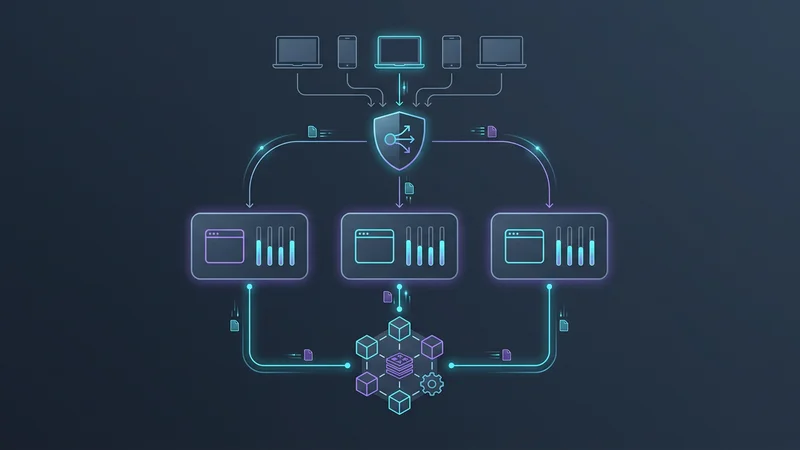
WebSockets — це протокол зі збереженням стану (stateful). Це робить горизонтальне масштабування значно складнішим за масштабування традиційних REST API. Якщо Користувач А підключений до Сервера 1, а Користувач Б — до Сервера 2, Сервер 1 не має нативного способу надіслати повідомлення Користувачу Б.
Горизонтальне масштабування з Pub/Sub шинами
Для вирішення цієї проблеми ми використовуємо шар Pub/Sub (Publish/Subscribe). Коли повідомлення потрібно розіслати, сервер-обробник публікує його в центральну шину (наприклад, Redis або NATS). Усі інші екземпляри серверів підписані на цю шину і пересилають повідомлення своїм локально підключеним клієнтам.
Sticky Sessions та балансування навантаження
При використанні балансувальника навантаження (наприклад, AWS ALB або Nginx), ви повинні увімкнути Cookie-based Session Affinity (Sticky Sessions). Це гарантує, що під час початкового HTTP-рукостискання та подальшого апгрейду клієнт спрямовується на той самий екземпляр сервера. Без цього рукостискання може потрапити на Сервер А, а спроба апгрейду — на Сервер Б, що призведе до помилки з'єднання.
Керування станом із Zustand
На стороні клієнта керування напливом даних у реальному часі є не менш складним завданням. У 2026 році Zustand став кращою бібліотекою керування станом для React-додатків реального часу. Його стор, що знаходиться «поза межами React», дозволяє оновлювати стан безпосередньо з колбеку WebSocket, не викликаючи зайвих ререндерів усього дерева компонентів.
import { create } from 'zustand';

interface PriceState {
  prices: Record<string, number>;
  updatePrice: (symbol: string, price: number) => void;
}

const usePriceStore = create<PriceState>((set) => ({
  prices: {},
  updatePrice: (symbol, price) =>
    set((state) => ({ prices: { ...state.prices, [symbol]: price } })),
}));

// У вашому обробнику WebSocket
socket.onmessage = (event) => {
  const { symbol, price } = JSON.parse(event.data);
  usePriceStore.getState().updatePrice(symbol, price);
};
Реальні кейси використання та впровадження
1. Колаборативні AI-агенти
Вибух популярності LLM створив потребу в стрімінгу токенів. Коли кілька користувачів взаємодіють з AI-агентом у спільному воркспейсі, WebSockets транслюють згенерований текст символ за символом усім учасникам одночасно, створюючи ефект «друку в прямому ефірі».
2. Спільне редагування (CRDTs)
Сучасні версії додатків типу Figma або Google Docs використовують Conflict-free Replicated Data Types (CRDTs). На відміну від старіших методів «Operational Transformation» (OT), CRDT дозволяють користувачам редагувати один і той самий документ офлайн або онлайн без центрального «блокування». WebSockets синхронізують дельта-оновлення між клієнтами, а логіка CRDT гарантує, що всі клієнти зрештою прийдуть до ідентичного стану.
3. Фінансові дашборди
У світі високочастотного трейдингу мілісекунди дорівнюють мільйонам. WebSockets використовуються для розсилки оновлень «Order Book». Для оптимізації розробники часто використовують uWebSockets.js, який здатний обробляти понад мільйон одночасних з'єднань на одному екземплярі з великим обсягом пам'яті завдяки використанню C++ під капотом.
Безпека та стабільність: як уникнути пасток
Безпеку у WebSockets часто ігнорують, що призводить до серйозних вразливостей.
Cross-Site WebSocket Hijacking (CSWSH)
Оскільки WebSockets не дотримуються політики одного джерела (Same-Origin Policy, SOP) так само, як HTTP, зловмисник може ініціювати WebSocket-з'єднання зі шкідливого сайту до вашого сервера.
Захист: Завжди перевіряйте заголовок Origin під час рукостискання. Якщо джерело не збігається з вашим списком дозволених доменів, відхиляйте з'єднання зі статусом 403 Forbidden.
Вичерпання з'єднань та Rate Limiting
Один зловмисник може відкрити тисячі сокетів, вичерпавши файлові дескриптори вашого сервера. Захист:
- Впровадьте обмеження швидкості (rate limiting) на основі IP на рівні рукостискання.
- Встановіть максимальну кількість з'єднань на один ID користувача.
- Використовуйте алгоритм "Leaky Bucket" для обмеження кількості повідомлень, які один сокет може надіслати за секунду.
Витоки пам'яті (Memory Leaks)
У довготривалих процесах Node.js невчасне очищення слухачів подій є поширеною причиною падінь.
javascript" data-theme="one-dark-pro">// Патерн «безпечного» очищення
const clients = new Set();

wss.on('connection', (ws) => {
  clients.add(ws);

  ws.on('close', () => {
    clients.delete(ws); // Запобігання витокам пам'яті
    ws.terminate();
  });

  ws.on('error', (err) => {
    console.error('Помилка сокета:', err);
    clients.delete(ws);
  });
});
Часті запитання (FAQ)
Яка різниця між WebSockets та long polling?
Long polling передбачає, що клієнт робить HTTP-запит, а сервер тримає його відкритим до появи нових даних, після чого з'єднання закривається і процес повторюється. WebSockets, навпаки, створюють єдине постійне TCP-з'єднання, яке залишається відкритим для двостороннього потоку даних, що значно зменшує витрати на заголовки та затримку порівняно з постійним перевідкриттям HTTP-з'єднань.
Коли варто використовувати WebSockets замість Server-Sent Events (SSE)?
Використовуйте WebSockets, коли вам потрібен двосторонній зв'язок (наприклад, чат, ігри або спільне редагування). Використовуйте Server-Sent Events (SSE), якщо вам потрібен лише односторонній потік від сервера до клієнта (наприклад, стрічка новин або котирування акцій), оскільки SSE простіший у реалізації, працює через стандартний HTTP і має вбудоване автоматичне перепідключення.
Як WebSockets забезпечують зв'язок у реальному часі?
WebSockets забезпечують зв'язок у реальному часі шляхом «апгрейду» стандартного HTTP-з'єднання до постійного, повнодуплексного TCP-сокета. Це дозволяє миттєво надсилати дані у вигляді «фреймів» у будь-якому напрямку без накладних витрат HTTP-заголовків або затримок на встановлення нових з'єднань для кожного повідомлення.
Як масштабувати WebSocket-додаток для тисяч користувачів?
Для масштабування WebSockets необхідно використовувати балансувальник навантаження з підтримкою sticky sessions, щоб клієнти залишалися підключеними до потрібного екземпляра сервера. Крім того, потрібна Pub/Sub шина, як-от Redis або NATS, для трансляції повідомлень між декількома розподіленими вузлами сервера, щоб користувачі на різних серверах могли спілкуватися між собою.
Чи є WebSockets ефективнішими за традиційні HTTP-запити?
Так, для даних у реальному часі WebSockets набагато ефективніші, оскільки вони усувають потребу надсилати об'ємні HTTP-заголовки з кожним повідомленням (які можуть складати кілька КБ). Після встановлення з'єднання накладні витрати на фреймінг становлять лише кілька байтів, що різко знижує споживання трафіку та затримку для високочастотних оновлень.
Висновок
Побудова додатків реального часу на WebSockets у 2025–2026 роках вимагає переходу від мислення «простого чату» до «надійного стрімінгу даних». Використовуючи нативні можливості Node.js 22, впроваджуючи бінарні протоколи на кшталт Protobuf та розгортаючи рішення на Edge, ви можете створювати системи, які є не лише швидкими, але й високонадійними та безпечними.
Рухаючись вперед, пам'ятайте, що природа WebSockets зі збереженням стану — це ваш головний виклик. Приділяйте пріоритет чистому керуванню з'єднаннями, впроваджуйте суворі заголовки безпеки та завжди майте план горизонтального масштабування за допомогою Pub/Sub шини. Хоча нові технології, такі як WebTransport (HTTP/3), починають з'являтися для спеціалізованих випадків, WebSockets залишаються найбільш сумісним і надійним стандартом для веб-досвіду в реальному часі сьогодні.