
Landskapet för webbutveckling har genomgått en seismisk förändring. Om du skulle titta tillbaka på en jobb势beskrivning för en "Full Stack"-utvecklare från 2020, skulle du se en tydlig uppdelning: en frontend-utvecklare som kunde lite Node.js, eller en backend-utvecklare som kunde kämpa sig igenom lite CSS.
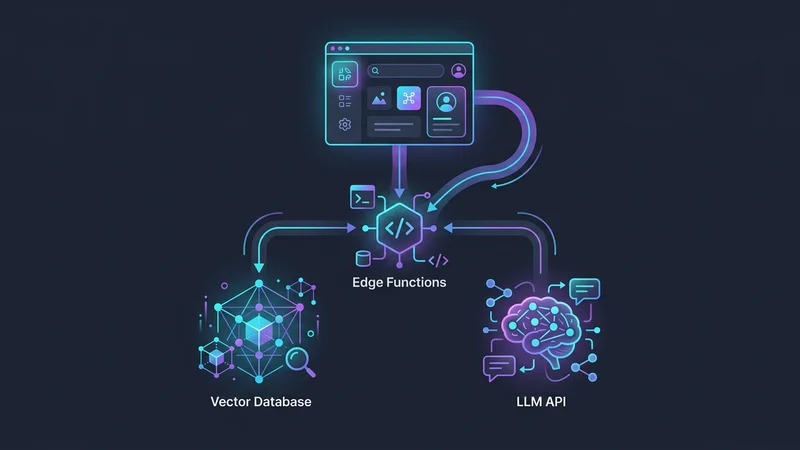
När vi nu rör oss genom 2025 och blickar mot 2026 har den uppdelningen i praktiken försvunnit. Den moderna Full Stack-utvecklaren har utvecklats till en Product Engineer – en multidisciplinär professionell som inte bara "hanterar två sidor" av en applikation, utan orkestrerar en enhetlig "AI-Stack" som sträcker sig över Edge, webbläsaren och stora språkmodeller (LLMs).
I den här guiden kommer vi att utforska färdplanen för karriärutveckling i denna nya era, de tekniska färdigheter som krävs för att förbli konkurrenskraftig och hur man navigerar övergången från en junior kodare till en teknisk ledare med stort inflytande.
Vad är en Full Stack-utvecklare 2025?
Under 2025 har definitionen av "Full Stack" rört sig bortom gamla LAMP- eller MERN-stackar. Dagens full-stack-landskap definieras av Unified Rendering Patterns och AI-integrering.
Framväxten av en Product Engineer
Företag letar inte längre efter utvecklare som bara "betar av tickets". De vill ha Product Engineers. Denna roll kräver en förståelse för användarupplevelsen från början till slut. En Product Engineer använder verktyg som Next.js 15 eller Nuxt för att bygga funktioner där frontend och backend är tätt sammankopplade via Server Actions och React Server Components (RSC).
Integrering av AI-stacken
En modern full-stack-utvecklare förväntas vara en arkitekt för "AI-stacken". Det betyder inte att du behöver vara en Data Scientist, men du måste veta hur man:
- Implementerar Retrieval-Augmented Generation (RAG) för att koppla LLMs till privat data.
- Använder Vektordatabaser (som Pinecone eller pgvector) för semantisk sökning.
- Hanterar AI-kostnader och latens genom streaming-svar och edge computing.
Karriärvägen för en Full Stack-utvecklare: Från Junior till Senior
Resan från en junior utvecklare till en bidragsgivare på senior nivå handlar inte längre bara om att lära sig fler språk; det handlar om att öka din "påverkansgrad".
Junior Full Stack-utvecklare: Implementeringsfasen
I det här skedet ligger ditt fokus på syntax, grundläggande mönster och att "få saker att fungera". Du håller troligen på att bemästra ett ramverk som React eller Vue och lär dig hur du gränssnittar med en databas via en ORM som Drizzle eller Prisma.
- Huvudmål: Bli autonom i leverans av funktioner.
- Fokus: TypeScript-behärskning, förståelse för HTTP-protokoll och grundläggande CRUD-operationer.
Mid-Level Full Stack-utvecklare: Arkitekturfasen
Utvecklare på mellannivå börjar tänka på hur saker ska byggas, inte bara att de byggs. Du börjar förstå avvägningarna mellan olika tillståndshanteringsbibliotek (t.ex. Zustand vs. Signals) och hur man optimerar databasfrågor.
- Huvudmål: Skriva underhållbar, skalbar kod som andra enkelt kan läsa.
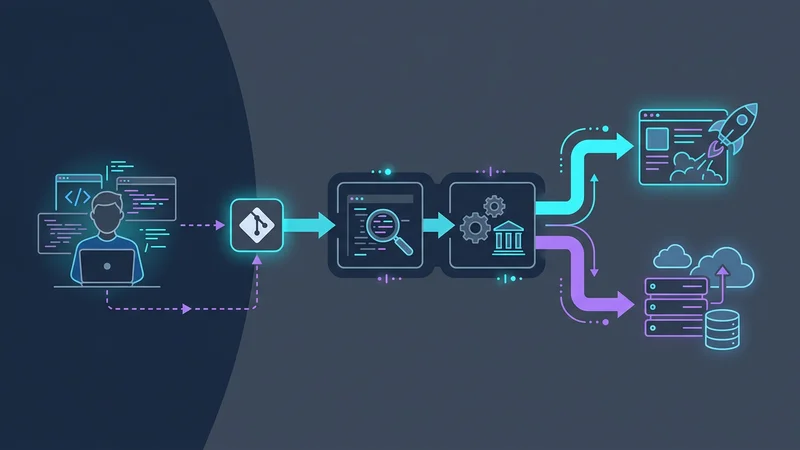
- Fokus: Teststrategier (Vitest/Playwright), CI/CD-pipelines och API-design.
Senior Full Stack-utvecklare: Strategifasen
En Senior Full Stack-utvecklare är en kraftmultiplikator. Du skriver inte bara kod; du designar system som förhindrar framtida teknisk skuld. Du förstår "Shift-Left Security" och ser till att sårbarheter fångas i din IDE snarare än i produktion.
- Huvudmål: Lösa komplexa affärsproblem med tekniska lösningar.
- Fokus: Systemdesign, mentorskap och att välja rätt verktyg för jobbet (även om det verktyget är "no code" eller en enkel monolit).
Essentiella tekniska färdigheter för modern Full Stack-utveckling
För att nå senioritet under 2025–2026 måste din tekniska verktygslåda återspegla den nuvarande "Edge-först" och "AI-integrerade" verkligheten.
1. Unified Rendering och Server Actions
Den strikta separationen med fetch('/api/data') ersätts av direkta serveranrop inom komponentlogiken. Med Next.js 15 som exempel kan utvecklare nu hantera formulärinsändningar och datamutationer med typsäkerhet över hela stacken.
// Exempel på en Next.js 15 Server Action för ett "Product Engineer"-upplägg
import { db } from "@/lib/db";
import { revalidatePath } from "next/cache";

export async function updateUsername(userId: string, formData: FormData) {
  "use server"; // Detta markerar att funktionen endast ska köras på servern

  const newName = formData.get("username") as string;

  // Direkt databasmutation utan en separat REST-endpoint
  await db.user.update({
    where: { id: userId },
    data: { name: newName },
  });

  revalidatePath("/profile");
}
2. Edge-först-mentalitet
Att distribuera till en enda region i AWS börjar bli ett föråldrat mönster för användarvända webbappar. Moderna utvecklare använder Edge Runtimes (Cloudflare Workers, Vercel Edge) för att köra kod geografiskt nära användaren. Detta kräver förståelse för begränsningarna i Edge (t.ex. ingen åtkomst till vissa Node.js-API:er) och användning av "Islands Architecture" för att minimera leveransen av JavaScript.
3. AI-orkestrering och RAG
Du måste kunna gå bortom enkla API-anrop till OpenAI. Karriärutveckling beror nu på din förmåga att bygga "kontextmedvetna" applikationer.
// Konceptuellt exempel på integrering av en Vector Store för RAG
import { OpenAIEmbeddings } from "@langchain/openai";
import { PineconeStore } from "@langchain/pinecone";

async function getContextualAnswer(query: string) {
  const vectorStore = await PineconeStore.fromExistingIndex(
    new OpenAIEmbeddings(),
    { pineconeIndex: index }
  );

  // Utför semantisk sökning för att hitta relevant kontext för AI:n
  const results = await vectorStore.similaritySearch(query, 3);

  // Skicka denna kontext till LLM:en...
  return results;
}
4. Infrastructure as Code (IaC)
Gränsen mellan "utvecklare" och "DevOps" har suddats ut. Seniora utvecklare använder Pulumi eller Terraform för att definiera sin infrastruktur. Om du inte kan beskriva din databas, bucket och server i kod, är du inte genuint "Full Stack" i det moderna företaget.
Avancerade karriärvägar: Ledarskap och specialisering
När du når "Senior"-platån delar sig din väg. Du måste bestämma om du vill leda människor eller leda system.
Spåret som Individual Contributor (IC): Staff Engineer
En Staff Full Stack Engineer arbetar inte bara med en funktion; de arbetar på den plattform som andra utvecklare använder. De kan implementera en Micro-frontend-arkitektur med Module Federation för att tillåta tio olika team att distribuera till samma dashboard utan konflikter.
Ledarskapsspåret: Engineering Manager
Om du finner mer glädje i att hjälpa andra att växa än i att debugga race conditions, är ledarskapsspåret för dig. Som Engineering Manager (EM) hjälper dina "full stack"-kunskaper dig att förstå de tekniska hinder ditt team möter, men din primära output är teamets hastighet och utvecklarnas välmående.
Spåret som Product Engineer / Grundare
Eftersom full-stack-utvecklare förstår hela "Hur", är de unikt positionerade för att äga "Vad". Många utvecklare går över till produktledning eller startar egna SaaS-företag och använder snabba runtimes som Bun eller Deno för att iterera snabbare än traditionella team.
Varför Full Stack-utvecklare är eftertraktade
Efterfrågan på full-stack-utvecklare förblir hög på grund av effektivitet och kontext.
- Minskade kommunikationskostnader: En utvecklare som kan bygga databasschemat, API:et och gränssnittet eliminerar "överlämningstiden" mellan specialiserade team.
- AI-driven produktivitet: Med verktyg som GitHub Copilot och Cursor kan en enskild utvecklare nu göra det arbete som tidigare krävde ett team på tre. Företag föredrar att anställa en "förstärkt" full-stack-utvecklare framför tre specialister.
- SaaS-spridningen: Varje företag blir ett mjukvaruföretag. Små och medelstora företag behöver "generalister" som kan bygga och underhålla hela produkter.
Vanliga fallgropar och hur du undviker dem
När du växer är det lätt att hamna i fällor som kan bromsa din karriär eller leda till teknisk skuld.
Övertro på AI
Den farligaste fallgropen 2025 är "Copilot-hallucinationer". Att blint klistra in AI-genererad kod leder till subtila logiska buggar.
- Lösning: Utför alltid en manuell kodgranskning. Om du inte kan förklara vad varje rad i AI-koden gör, ska du inte committa den.
Fällan "Resume-Driven Development"
Undvik frestelsen att använda ett komplext verktyg (som Kubernetes eller mikrotjänster) för ett projekt som enkelt skulle kunna köras på en enda VPS eller en serverlös plattform.
- Lösning: Följ KISS-principen (Keep It Simple, Stupid). Börja som en monolit. Dela upp i mikrotjänster först när organisationsstrukturen – inte tekniken – kräver det.
Att försumma grunderna
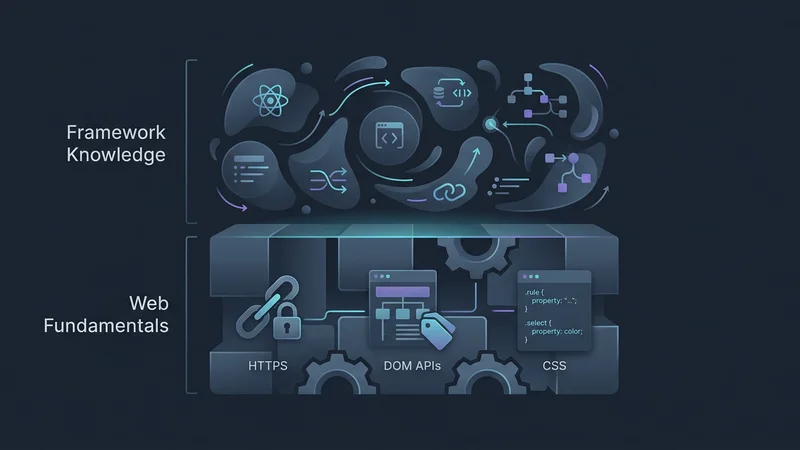
Ramverk ändras var sjätte månad (t.ex. skiftet från Tailwind v3 till v4). Däremot är webbläsarens Event Loop, CSS Flexbox och HTTP/3-protokollet konstanta.
- Lösning: Lägg 20 % av din inlärningstid på "Vanilla"-teknologier. Förstå hur webbläsaren faktiskt tolkar HTML och kör JS.
Löneförväntningar och arbetsmarknadsutsikter
Även om lönerna varierar beroende på region, fortsätter arbetsmarknaden 2025 att belöna full-stack-expertis med hög ersättning.
- Junior (0-2 år): 45 000 kr – 60 000 kr / månad
- Mid-Level (3-5 år): 65 000 kr – 85 000 kr / månad
- Senior/Staff (6+ år): 90 000 kr – 120 000 kr+ / månad (ofta inkluderat optioner i tech-hubbar)
Marknaden gynnar för närvarande utvecklare som kan påvisa AI-kompetens. Att lägga till "AI Engineering" i ditt full-stack-CV kan öka ditt marknadsvärde med 15–20 % jämfört med enbart traditionell webbutveckling.
Vanliga frågor
Är full stack-utveckling en bra karriär 2025?
Ja, det förblir en av de mest motståndskraftiga rollerna inom teknik på grund av dess mångsidighet. När AI automatiserar enkla kodningsuppgifter blir förmågan att förstå och koppla samman "hela stacken" ännu mer värdefull för arbetsgivare.
Hur lång tid tar det att bli en full stack-utvecklare?
För en komplett nybörjare tar det vanligtvis 6 till 12 månader av intensiva studier för att nå en "Junior"-nivå. Att uppnå sann "Senior"-status kräver dock oftast 5+ år av att navigera verkliga produktionsfel och komplexa systemarkitekturer.
Vad är medellönen för en full stack-utvecklare?
I Sverige ligger medellönen ofta mellan 60 000 och 75 000 kr beroende på stad och bransch. Sektorer med hög tillväxt som Fintech och AI-SaaS erbjuder ofta betydligt högre totala kompensationspaket.
Behöver jag en examen för att bli full stack-utvecklare?
Nej, en examen i datavetenskap är inte ett absolut krav, även om det hjälper för att förstå bakomliggande teori. Många seniora utvecklare är självlärda eller har gått bootcamps och byggt sina karriärer genom bidrag till open-source och en stark portfölj av lanserade produkter.
Vilka är de olika karriärstegen för en full stack-utvecklare?
Resan går vanligtvis från Junior (fokus på syntax) till Mid-level (fokus på mönster), och sedan till Senior (fokus på systemdesign). Därefter kan du välja mellan Staff Engineer-spåret (tekniskt ledarskap) eller Engineering Management-spåret (personalledarskap).
Slutsats
Karriärutveckling som Full Stack-utvecklare under 2025 handlar inte längre om att bocka av språk på en lista. Det handlar om att bli en holistisk problemlösare. Genom att anamma "AI-stacken", bemästra enhetliga renderingsmönster som React Server Components och anta ett "Product Engineering"-tänk, positionerar du dig som en oumbärlig tillgång i vilket modernt tech-team som helst.
Verktygen kommer att fortsätta utvecklas – Bun kan ersätta Node, eller Tailwind kan ersättas av en ny CSS-motor – men förmågan att bygga en sammanhängande, säker och högpresterande produkt från grunden kommer alltid att vara den mest värdefulla färdigheten i webbutvecklingsbranschen. Fokusera på grunderna, förbli nyfiken på AI och bygg alltid med slutanvändaren i åtanke.